In one Tibetan way of thinking, fortune is what happens
to a person.
It can be as large as the place we are born, the conditions
we inherit, or the kind of world we meet at different stages
of life. It can be as small as the weather on a particular
morning, or the stranger we happen to meet while buying
coffee.
These things are not fully ours to control.
Luck begins somewhere else. It begins in the way we respond.
What we choose, what we notice, what we consider meaningful,
and what we remain open to all shape the way chance can
reach us.
This is the quiet mechanism of luck: attention.
People we call lucky often seem able to find useful signals
inside random events. They notice the small piece of
information, the unexpected meeting, the opening hidden
inside an ordinary day.
But tension narrows attention. When we are anxious or guarded,
we tend to see only what we are already looking for. We miss
the information the world is offering. We push away the
unfamiliar. We hold too tightly to the signal we expected
to find.
Perhaps luck is not only an event. Perhaps it is a way of
staying available to chance.
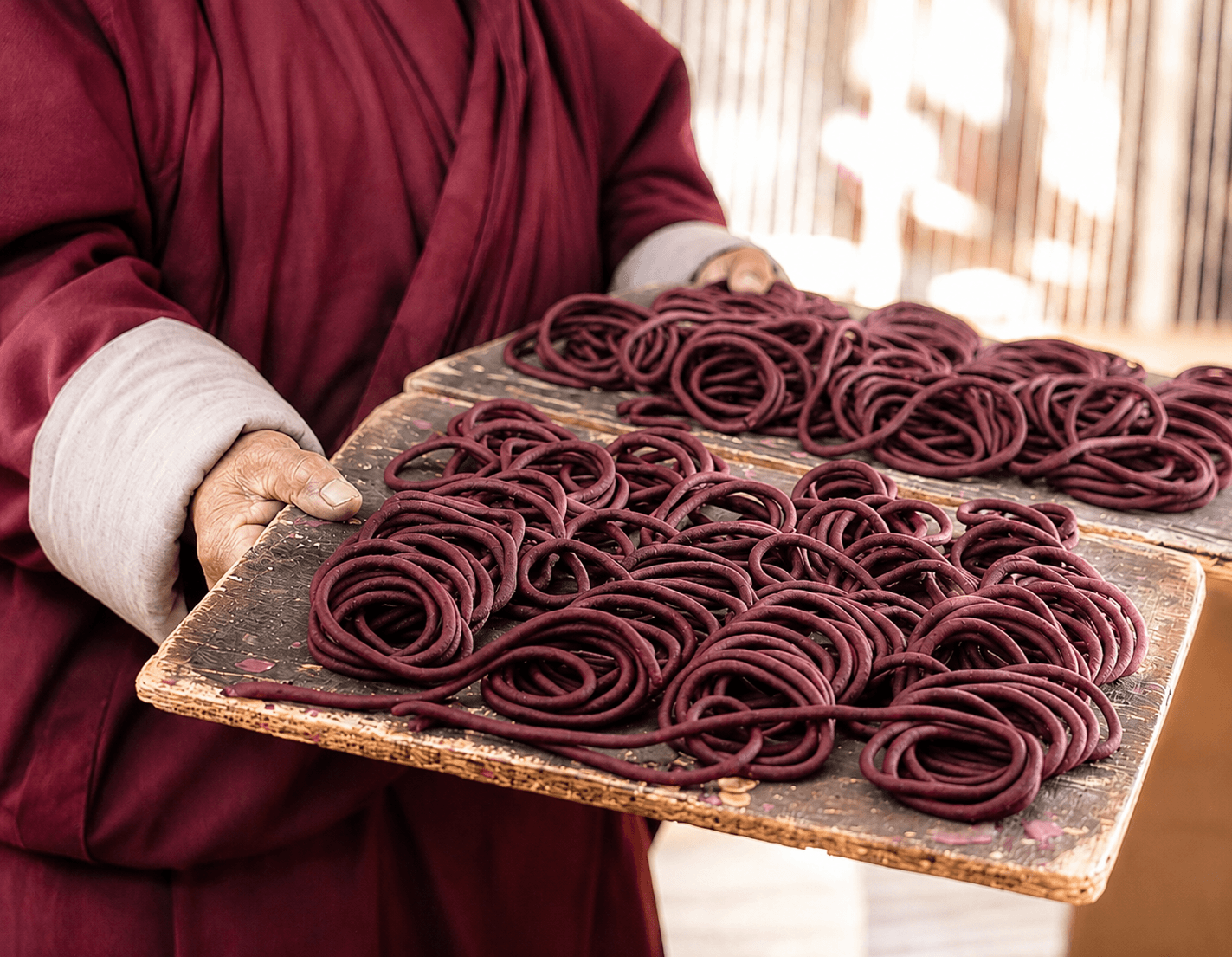
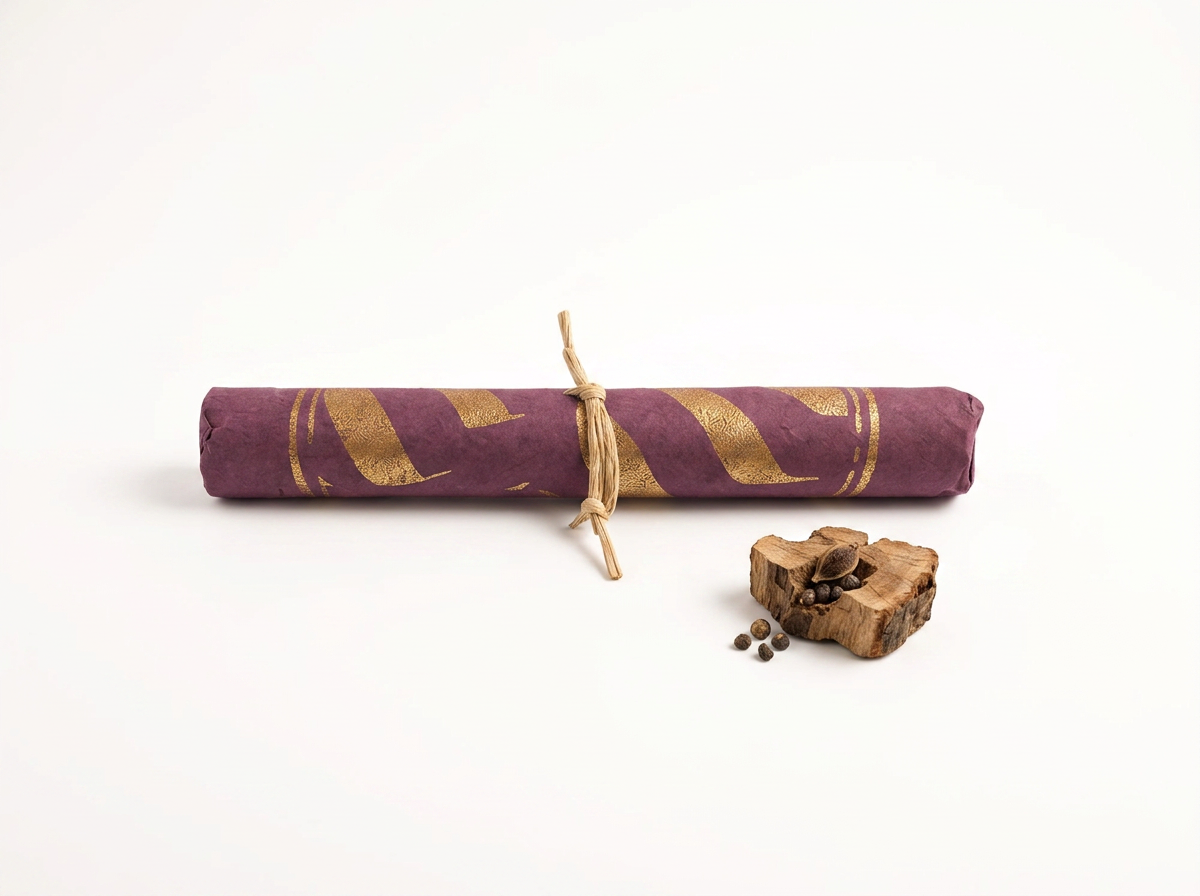
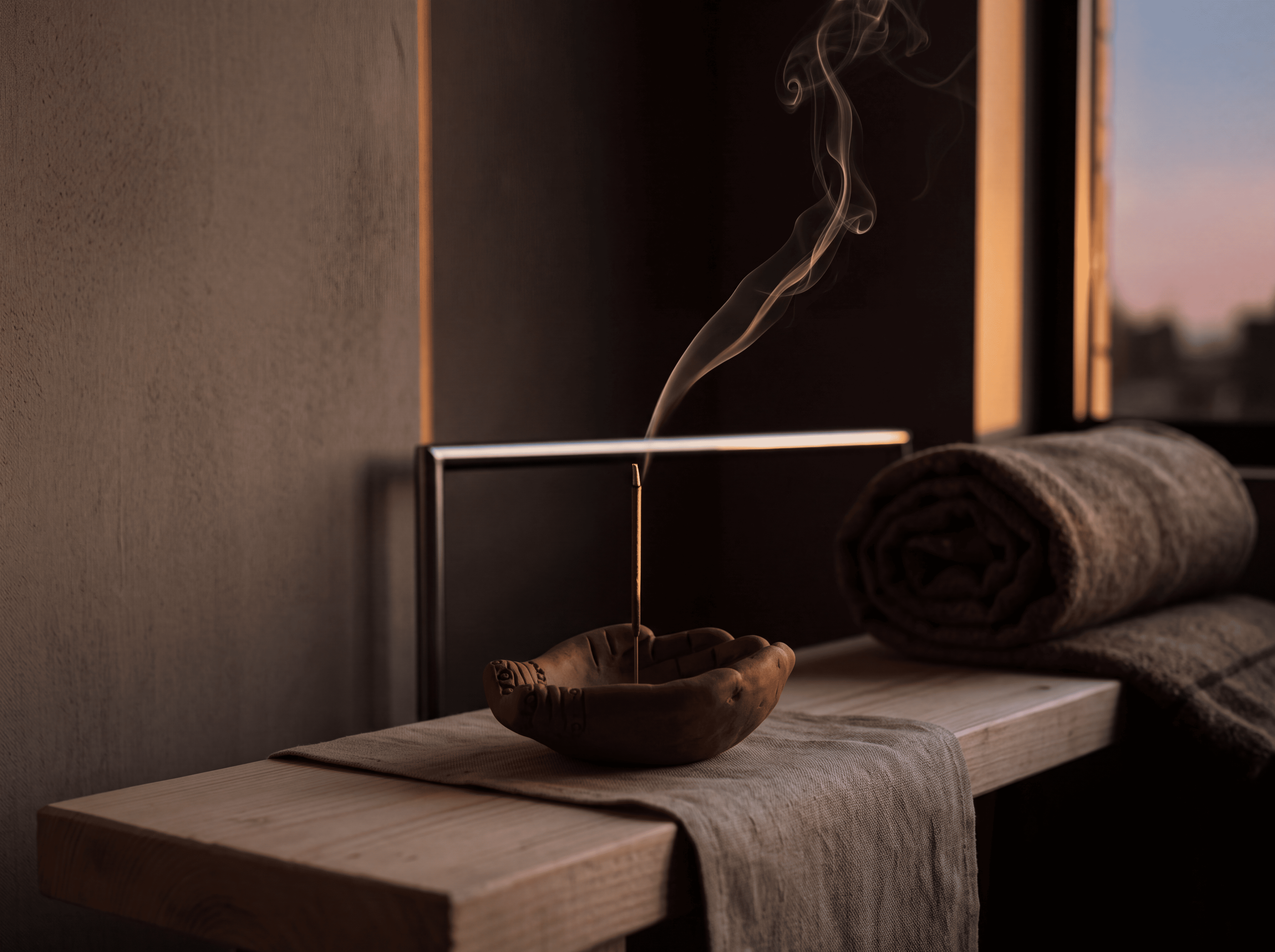
This understanding also shapes how we approach Tibetan
incense: not as an answer, but as a small daily ritual for
returning attention to the body, the earth, and the
possibilities around us.



.png?w=430&h=690)
.png?w=760&h=360)
.png?w=570&h=660)