The Art of the Blend
More than twenty botanicals and aromatic ingredients follow a recipe passed down through generations at the monastery. Woods, resins, and highland herbs come together in a deep, warm scent with a rich herbal character.
Tibetan Herbs / Dry Grass / Soft Smoke / Agarwood
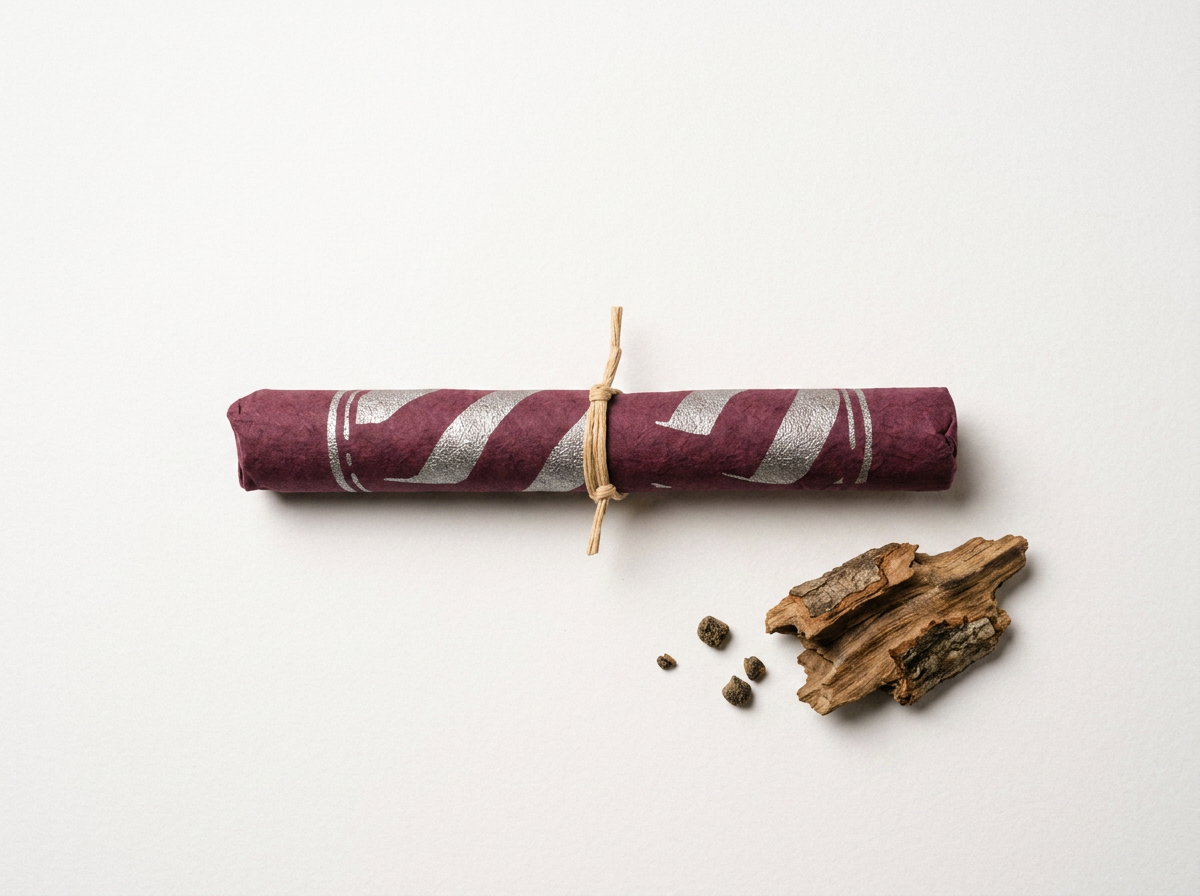
50 hand-rolled incense sticks, approx. 28 cm / 11 in. each
More than 20 ingredients, including traditional Tibetan botanicals such as saffron and spikenard, unfold an enduring aromatic heritage rooted in the historic Rongwo Monastery in Tibet.
- Place the incense securely in a suitable holder. Light the tip, then gently blow out the flame.
- Store in a cool, dry place away from direct sunlight and heat.
Packaging - FSC-certified, recyclable paper box and insert.
Shipping - Dispatches from Shanghai within 7–15 business days.
Returns - Unopened and unused items are eligible for return.
Free shipping over $75
Eco-conscious packaging
Secure checkout
Made the Slow Way
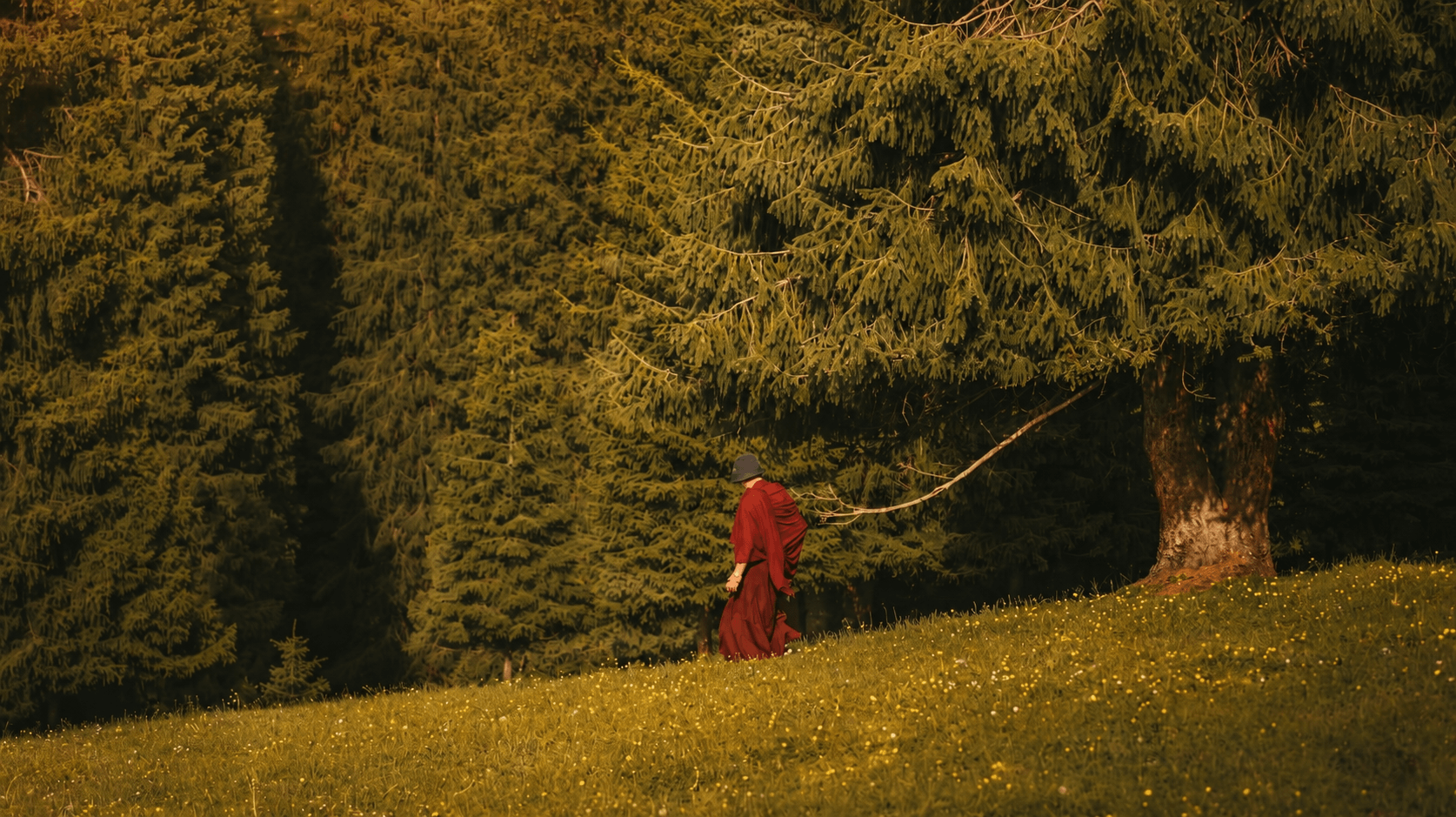
Rooted in a living monastic tradition, with monks taking part in the making. Each stick is rolled by hand, one at a time, retaining the finer notes that may otherwise be lost to mechanized production.
No charcoal coating. No synthetic fragrance. The natural aroma of woods and herbs comes through, without the harsh edge of a burning charcoal layer.
Traditions passed down through generations bring a quiet sense of trust to what we light today. Gentle smoke and a soft, natural aroma carry the ancient practice into everyday life.
Slow down a little. Give yourself, and whatever you’re working through, a little more time.
More than twenty botanicals and aromatic ingredients follow a recipe passed down through generations at the monastery. Woods, resins, and highland herbs come together in a deep, warm scent with a rich herbal character.
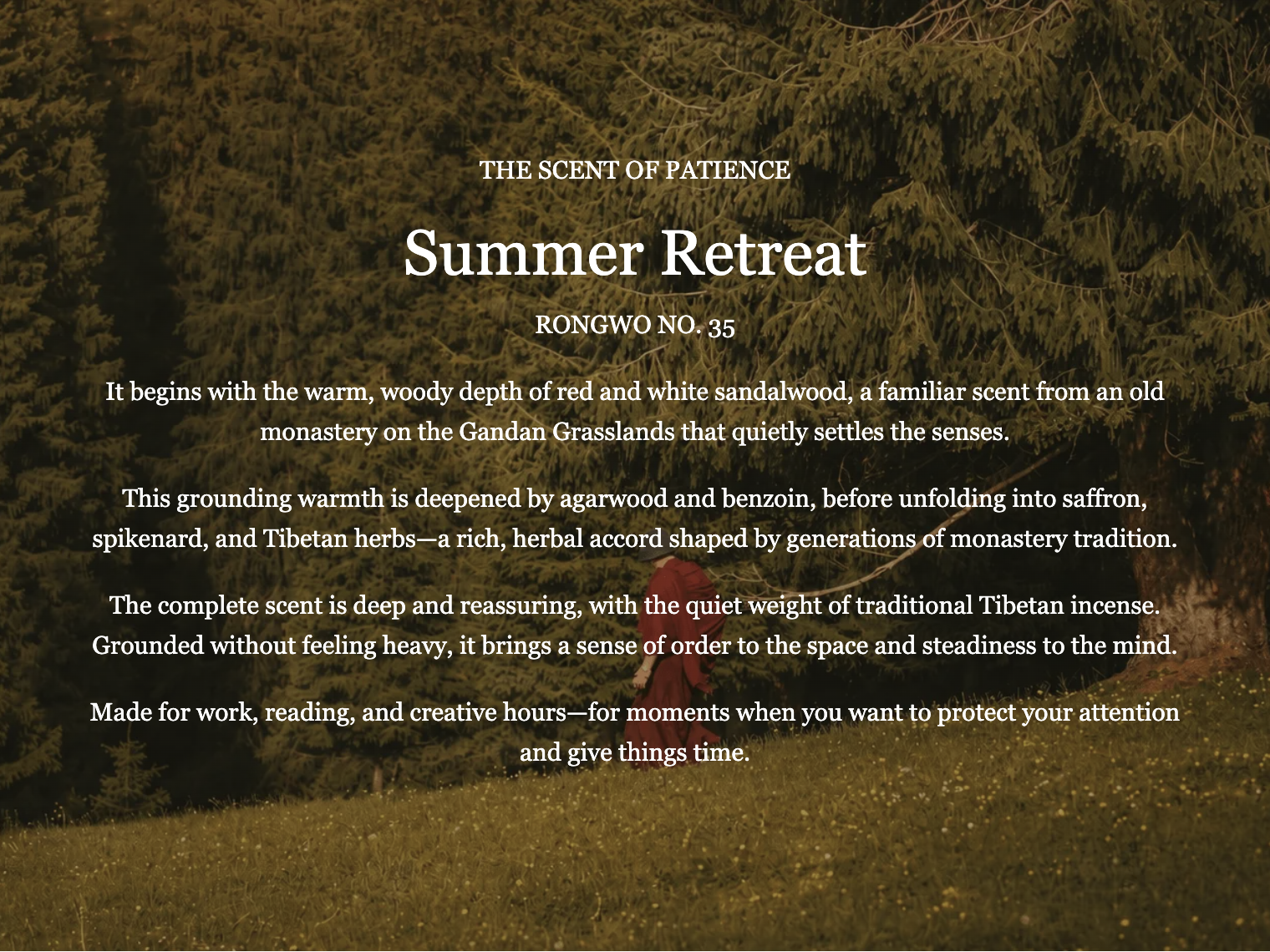
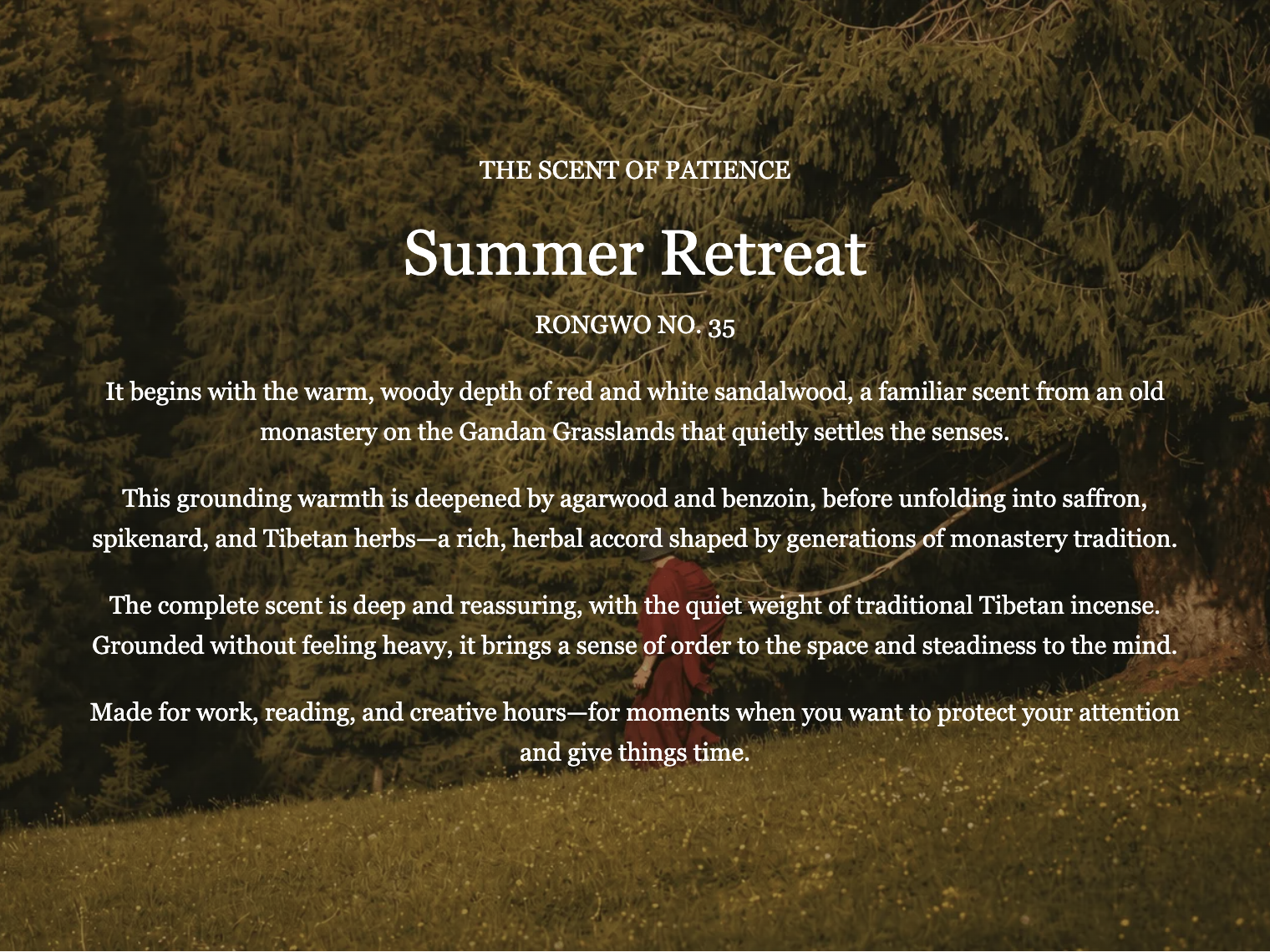
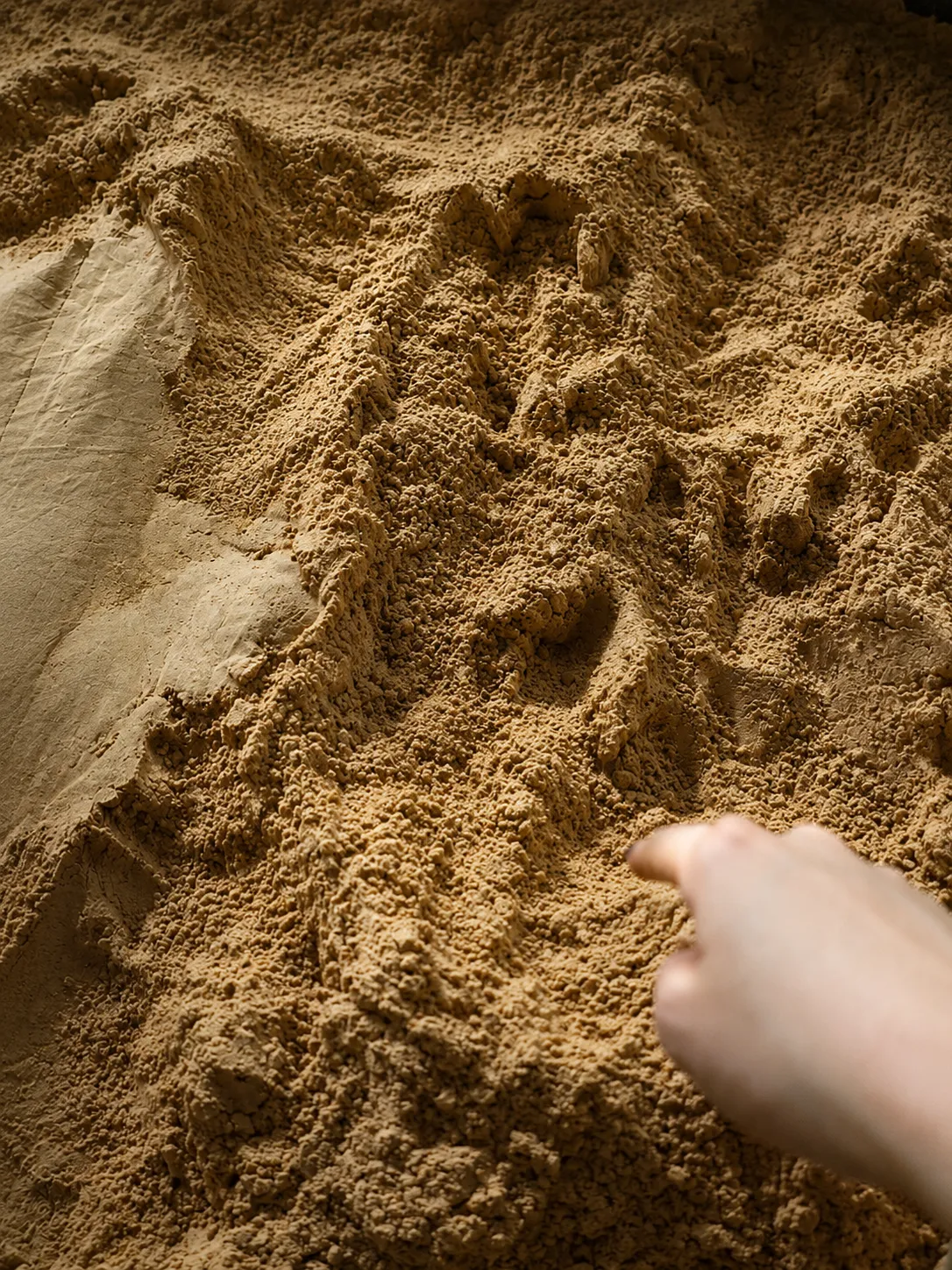
Red and white sandalwood form the blend’s warm, woody base. Familiar and reassuring, they give the scent a steady foundation.
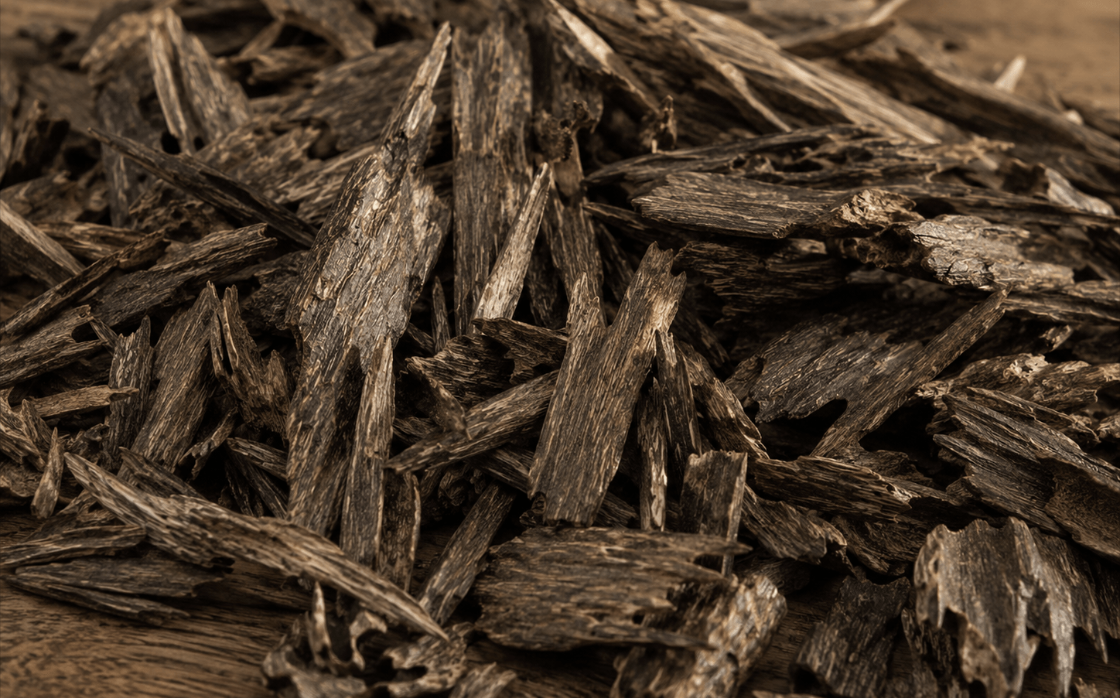
Dark and light agarwood blend with benzoin, adding depth and a rich, resinous warmth that slowly unfolds as the incense burns.
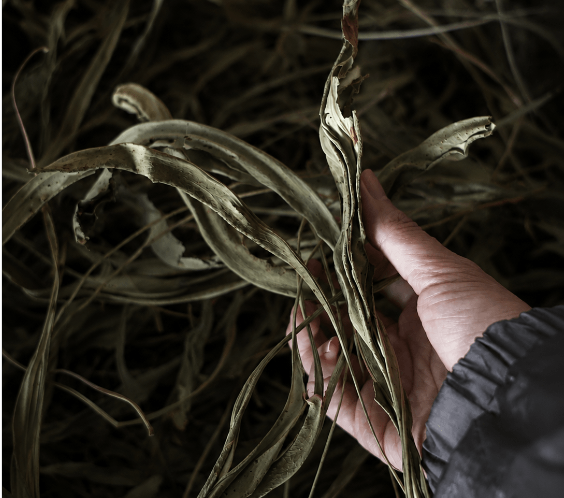
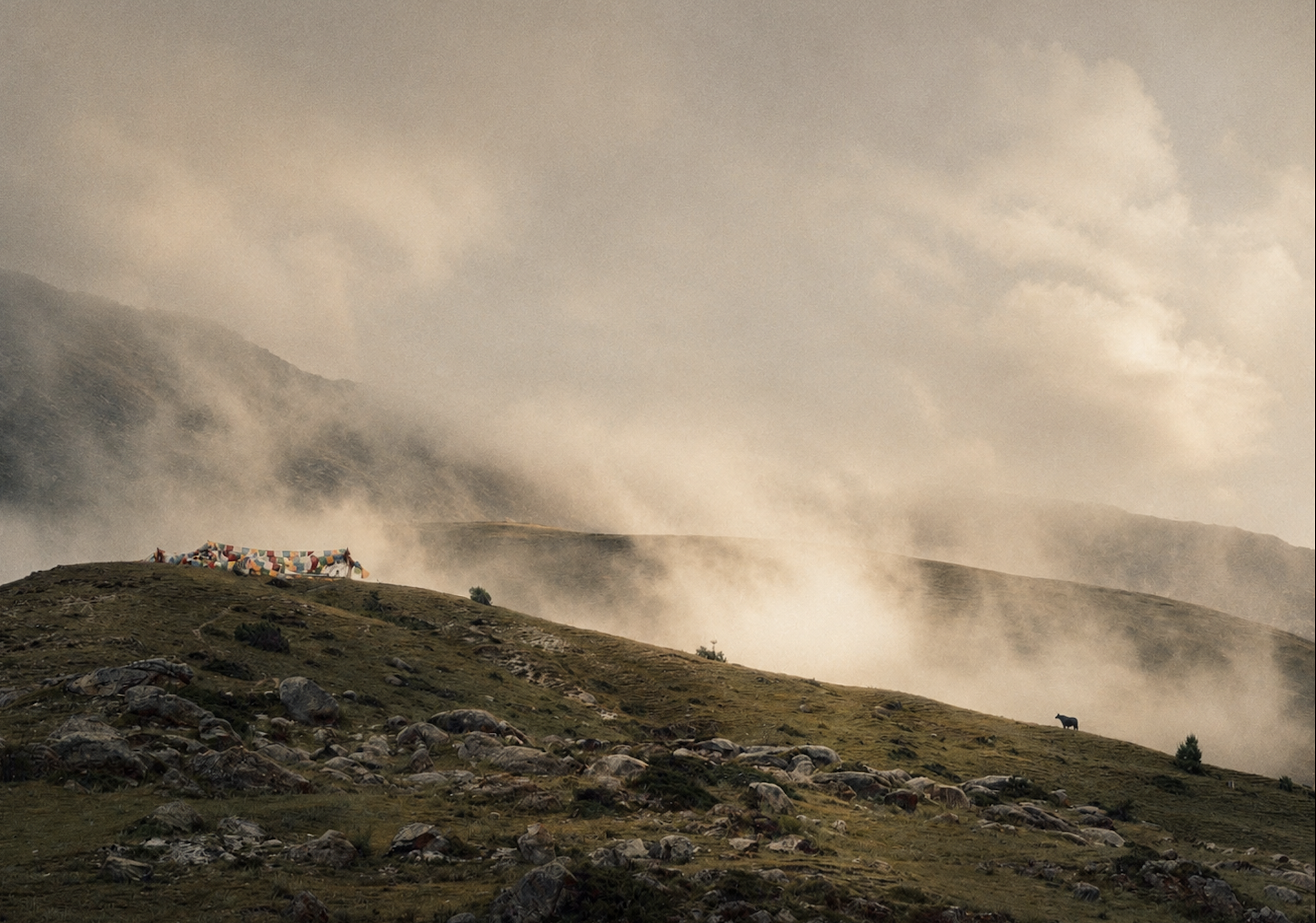
Saffron, spikenard, and traditional Tibetan herbs bring warmth and complexity. These ingredients connect the blend to the Gandan Grasslands and the monastery tradition behind its recipe.
Stillness is not the destination. It is how the mind learns to see clearly.
We often mistake Buddhism for a pursuit of perfect stillness.
But stillness was never the destination. Wisdom is. Practices of retreat and contemplation create a pause, allowing the mind to settle until what was clouded begins to clear.
That ancient practice feels especially relevant now.
AI has made information almost infinite. More words, more images, more opinions and more answers arrive faster than we can absorb them.
The challenge is no longer simply having access to information. It is knowing what is true, what matters, and what is actually ours.
That requires something information alone cannot give us: discernment.
Our sensitivity to language, our sense of taste, and our feeling for what resonates are shaped by the life we have actually lived. These are the parts of us that cannot simply be generated or replaced.
But they need space to develop. Time for experience to settle. Silence for instinct to become clearer. Distance for information to become wisdom.
Attention is not infinite. Sometimes we need to step away while everything is still loud, and give the mind enough space to hear itself again.

This incense is made for that pause: to settle the senses, draw a
quiet boundary around your attention, and make room for clarity to
return.
Give time some time.
This incense begins in monastery rooms, close to the hands that still keep the practice by use.
Each stick is rolled slowly by hand. The pressure, pace, and drying are guided by experience, so the herbs hold together without losing their finer notes.
What reaches your room is not only a scent, but a trace of time, patience, and a hand that knows what it is making.
If you live with cats or other pets, we recommend keeping both burning and unburned Tibetan incense safely out of their reach.
Curiously, quite a few friends and customers have told us that their cats seem fascinated by our incense—sniffing the sticks, chasing them, and occasionally trying to take a bite, almost as if they had discovered catnip.
We love these stories, but we don’t recommend letting pets eat the incense. Natural ingredients aren’t necessarily safe to ingest, and each blend may contain different herbs, woods, flowers and spices.
There’s also a practical reason to keep curious paws away: once natural incense has been chewed or licked, the added moisture can make it more prone to mould.
When burning incense, keep some distance from your pets and make sure the room is well ventilated. Never intentionally expose an animal to concentrated smoke, especially cats, whose respiratory systems can be sensitive.
So let them be curious—just keep the incense out of paws, mouths, and noses.
You don’t need to burn a whole Tibetan incense stick.
In a smaller apartment, we often recommend breaking off only the amount you need, lighting that small piece, and letting the fragrance gently move through the room.
You may have heard that breaking an incense stick brings “bad luck.” We haven’t found a historical or religious basis for treating a broken stick as inherently inauspicious.
Incense doesn’t become more meaningful simply because you burn more of it.
Many Tibetan incense blends are made for purification, settling a space, or creating a quieter atmosphere. Use an amount that feels appropriate for the size of your room and the moment you’re creating.
Keep some fresh air moving, place the incense away from your face, pets and anything flammable, and never leave it burning unattended.
A small piece is enough.
The point is not how much you burn, but what the moment
becomes.
loading